
FREE SHIPPING AND COD AVAILABLE GRAB TODAY FOR FREE GIFT WORTH RM256+
The science

The research behind Gastro-AD®.

Every study, mechanism and ingredient behind a single GaztroPlus Eaze sachet — presented in full, with its sources and its limits.

Gloved hands examining a golden fermented-soy postbiotic sample beside a microscope in the laboratory
Independently researched

Decades of research, not marketing.

Gastro-AD® is a fermented-soy postbiotic that has been studied since the 1950s — across human clinical research and laboratory work, involving hundreds of participants. Below is every supplied reference, in full.

~600participants studied
70+years of research
4studies detailed below
The research in full

The science, study by study

Every supplied Gastro-AD® reference in detail — each study labelled by type. Study-reported outcomes, not treatment guarantees.

BogdanovHuman clinical research
1978

360 patients with ulcers and gastritis

Heartburn relief within ≤15 minutes85%
Ulcer-symptom relief within ≤15 days95%
  • 85% experienced heartburn-pain relief within 15 minutes or less
  • 95% experienced relief from ulcer-related symptoms within 15 days or less
  • Gastro-AD® was reported as well tolerated
View study details +
Population
360 patients — 238 duodenal ulcers, 93 gastritis, 29 gastric ulcers; 191 had symptoms for more than five years
Duration
30 days
Dosage
2.5–5 g of Gastro-AD®, three times per day

Reported as symptom relief, not confirmed ulcer healing.1
Hirata & UchidaParticipant-reported outcome
2002

Gastritis patients studied for 30 days

Heartburn reduced85%
Appetite regained83%
Vomiting lessened67%
Gastric discomfort reduced62%
View study details +
Population
12 adults aged 22–75 with gastritis and other gastroenteropathy (reduced appetite, nausea, stomach pain, heartburn, vomiting)
Duration
30 days
Dosage
2 g of Gastro-AD®, three times per day

Participant-reported symptom changes over the study period.2

Wallace et al.Cell-based research
2003

Rosell-187 studied in human intestinal cells

  • Heat-inactivated Rosell-187 suppressed production of IL-8, a marker associated with inflammatory signalling
  • Reduced IL-8 inflammatory signalling in the cell model
  • Potential support for the gastric mucosal environment
View study details +
Type
Laboratory study using human intestinal epithelial cells
Finding
Researchers proposed the effect may help support a healthier intestinal and gastric environment

A cell-based investigation — no patient percentage is attached to this study.3

AhmaraniLaboratory research
2006

Fermented-soy peptides studied for protease inhibition

  • Fermentation produces functional soy peptides
  • Peptides demonstrated protease-inhibiting activity in laboratory research
  • Proposed support for the stomach's protective environment
View study details +
Type
Laboratory research on peptides created through fermentation with Rosell-187
Finding
Observed inhibition of protease activity — proposed as one possible mechanism for supporting the stomach lining and comfort

Not a human clinical study — presented without a patient percentage.4

What Gastro-AD® has been studied for

Heartburn & burning discomfort Gastric discomfort & stomach pain Ulcer-related symptoms Nausea & vomiting Reduced appetite associated with gastric discomfort Digestive comfort after meals Stomach mucosal support Acid-buffering activity Protease activity Inflammatory signalling in intestinal cells

Items describe what the ingredient has been studied for — not confirmed treatment outcomes.

How Gastro-AD® may work

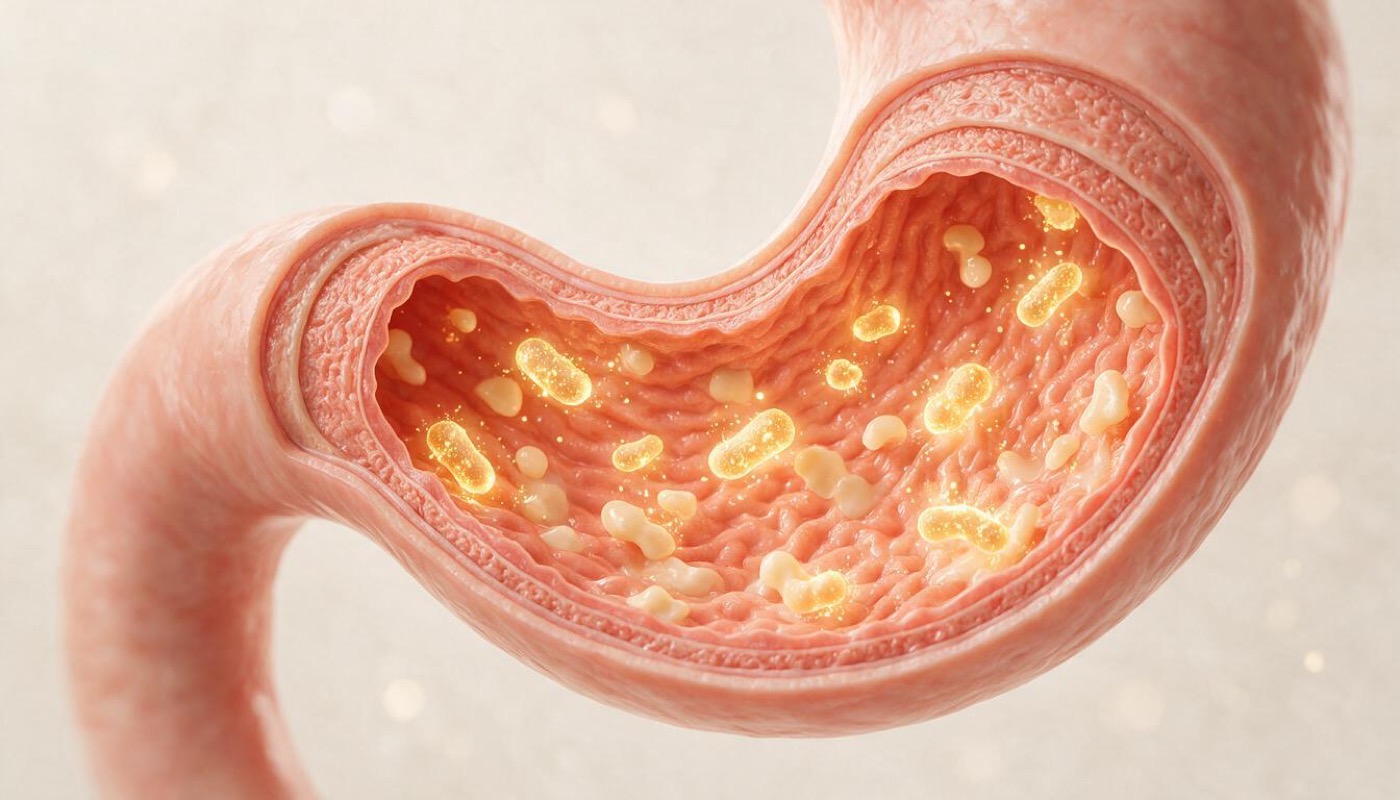
Clinical illustration of a stomach cross-section showing the protective mucosal lining with fermented-soy postbiotic microorganisms along the stomach wall
Where Gastro-AD® is proposed to act — along the stomach lining. The three proposed modes of action are summarised below.
01 · Buffering

Acid-buffering activity

Fermented-soy peptides have demonstrated acid-buffering activity, which may help support a less acidic stomach environment.

02 · Mucosal support

Gastric mucosal support

Cell research involving Rosell-187 observed effects on inflammatory signalling that may support the stomach's protective environment.

03 · Protease interaction

Protease interaction

Fermented-soy peptides demonstrated protease-inhibiting activity in laboratory research — another proposed mechanism for stomach comfort.

  1. 1. Bogdanov, 1978 — clinical study (360 patients). Supplied Gastro-AD® reference dossier.
  2. 2. Hirata & Uchida, 2002 — clinical study (12 adults). Supplied Gastro-AD® reference dossier.
  3. 3. Wallace et al., 2003 — laboratory cell-model study. Supplied Gastro-AD® reference dossier.
  4. 4. Ahmarani, 2006 — laboratory research on fermented-soy peptides. Supplied Gastro-AD® reference dossier.

Source: Lallemand Gastro-AD® technical references (supplied). Percentages are study-reported outcomes from historical and laboratory research, presented for education. They are not a promise of individual results. These statements have not been evaluated by a regulatory authority; GaztroPlus is a food supplement and is not intended to diagnose, treat, cure or prevent any disease.

The rest of the formula

The other ingredients.

Alongside Gastro-AD®, three familiar botanicals — chosen for how they taste, feel and fit into a daily habit.

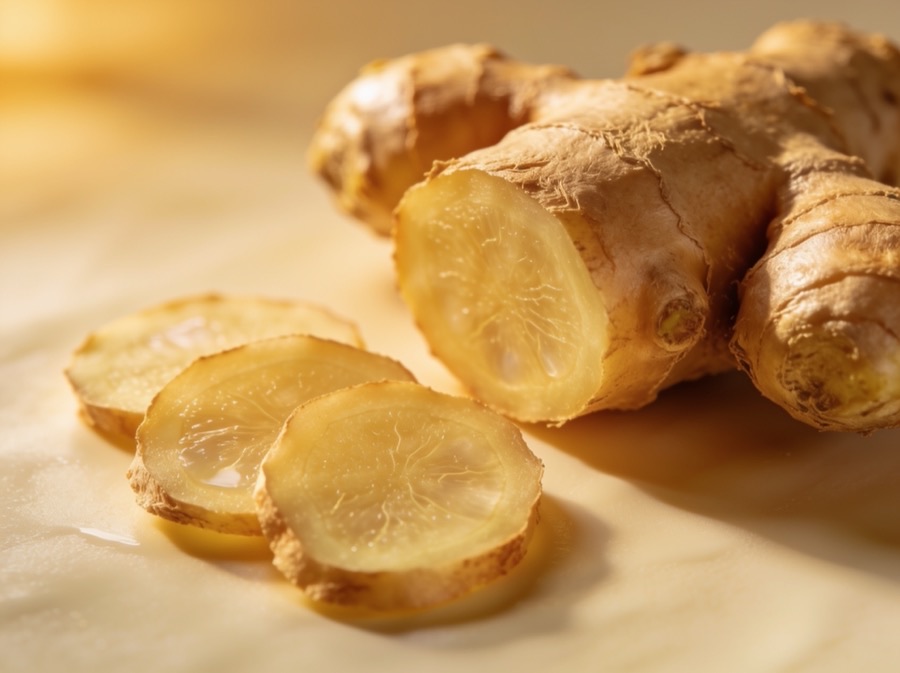
Fresh ginger root and slices

Ginger

A familiar warming root that brings a comforting character to the formula.

Golden honey dripping from a wooden dipper

Honey

A naturally soothing, gently sweet base with no added sugar.

Fresh green peppermint leaves

Peppermint

A cooling, refreshing finish with a pleasant aroma.

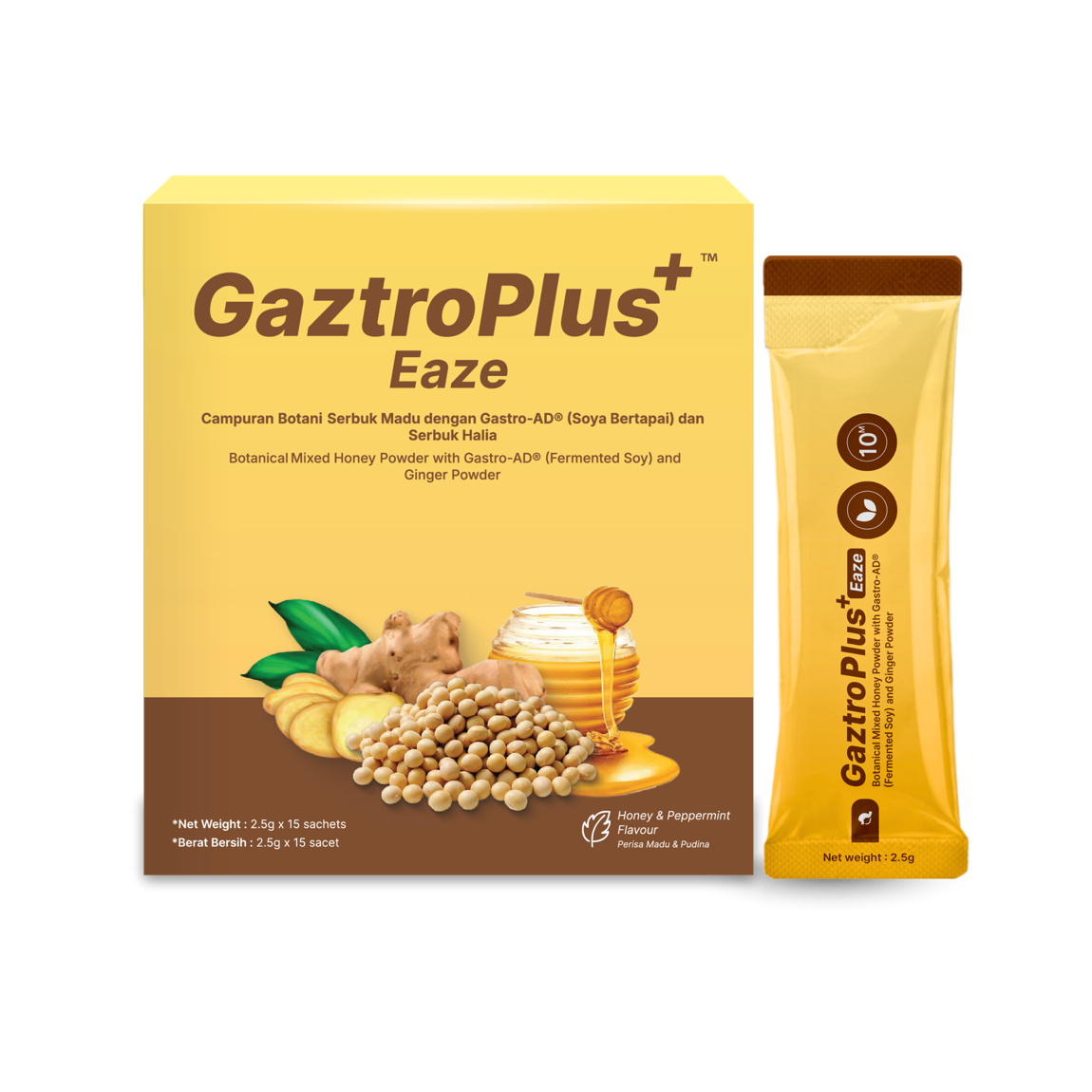
GaztroPlus Eaze box and sachet
From research to routine

The science, in one sachet a day.

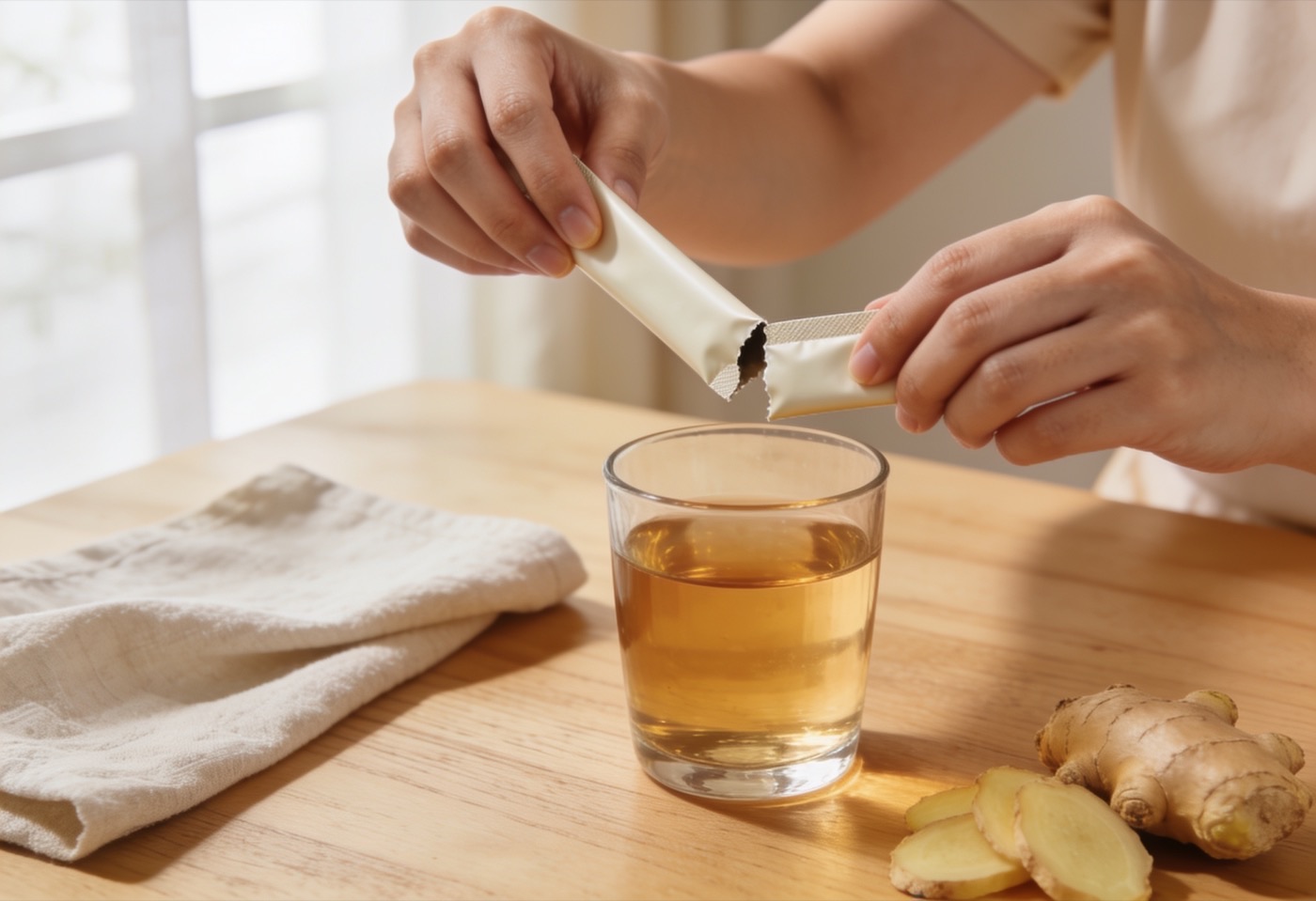
Everything you've just read — the Gastro-AD® postbiotic — blended with honey, ginger and peppermint into GaztroPlus Eaze. One small sachet to support everyday digestive comfort.

RM79RM129Save 39%
Halal · non-GMO fermented soy · 60-day money-back guarantee
GaztroPlus Eaze
RM189
Need help? Chat with us